Showing posts with label exercise. Show all posts

Thursday, February 15, 2024


How to Prepare for a Morning Workout the Night Before

Can fasting improve your morning exercise?


Laurence Grigorov is director of a residential property development company based in Johannesburg, South Africa. The company specialises in modern, luxury apartments, cluster units and bespoke homes.

Laurence Grigorov believes that nutrition and exercise are vitally important to lead a healthy and well-balanced life. This allows Laurence Grigorov to be fully focused when working on his current projects. 

Sometimes, getting to the gym is hard enough. For others it’s made even more difficult because they’re up before the sun. Some people prefer a morning workout because of their busy lives or their energy levels. For those people, or anyone who wants to join the club, there are ways to improve exercise performance the night before based on proper nutrition.

Why Morning Training?

Training on an empty stomach, or fasted training, can make for great performances. This will enhance functionality through a metabolic switch to cellular neural networks. As an effect, plasticity improves on a neurological and synaptic (nerve) level. The heightened focus will lead to a resistance to stress. This morning alertness will turn on the “fight or flight” mindset. Our ancestors experienced similar effects when they hunted for their food in the morning. In a way, breakfast can be the reward for a morning workout.

This style can also lead to enhanced weight loss. Fasting turns off mTOR, or the protection of protein synthesis, and activates autophagy, the recycling of dead tissue cells. The body will rid itself of dead weight, be it dead cells or pre-stored glycogen (fat). While the body is in this mode of repair, it can still protect the body without food.

The Night Before

It should go without saying that the best preparation is through rest and proper nutrition. Carbohydrates have been proven to activate melatonin and enhance quality of sleep. If carbs are eaten the night before a morning workout, they will remain stored in the liver and muscles for energy. Glycogen depletion could inhibit performance via muscle fatigue, therefore it’s best to stay sufficiently supplied.


Fats, on the other hand, can be detrimental to performance at higher intensities. It’s important to limit saturated fats since they can impair muscular output. However, omega-3’s have shown a positive impact on endurance capacity and gut microbiome health through bile acids. Foods rich in omega-3’s include fatty fish, eggs, and seeds. Foods containing high contents of saturated fats include red meat and full-fat dairy.

The optimal strategy is carbohydrate loading. This will maximize glycogen storage. The choice of carbs are important too. Simple carbs are easily digestible, reduce fatigue, and support hydration. Fiber is important for digestive health, but be wary. Too much fiber can cause gastrointestinal issues, while not enough can be harmful to the gut microbiome. A proper balance between fibrous carbs and simple carbs should be considered. While fast carbs can replenish glycogen storage, fibrous carbs can keep appetite satiated.

Probiotics can also be helpful on a mental level. They can manage proper cognition, gut health, and personal mood. They can be ingested the night before a morning workout, but they are most useful in the recovery process. Yogurt, a popular choice, contains probiotics and protein that support recovery and protein synthesis.

It’s also recommended to avoid a high intake in sugar and alcohol. High sugar intakes can lead to high sugar crashes. As for alcohol, it can dehydrate the body, disrupt sleep, and impair cognition. Working out hungover is also a dangerous idea.

After adequate nutrition, the hours leading up to the workout also matter.

The Morning Of

The key to a morning workout is supporting hydration. Hydration intake affects gut function, energy levels, and cognition. Exercising in a dehydrated state can impair performance. Carbohydrates are valuable the night before because they support hydration, causing the body to hold onto water.

In order to further prevent dehydration, electrolytes can assist in water intake. These come in supplement form and can be found in lemon juice. Mixing these with a morning cup of water can help the body wake up better than caffeine. During a workout, it can reduce excess sweat and improve cognition. After getting in some water, caffeine is a helpful addition to the morning routine.

Caffeine is a popular choice for the morning. It improves focus and reduces fatigue. It can be a valuable supplement, but it should not be chosen over water. Both caffeine and water go hand in hand. Their combination, alongside the optional electrolytes, can prepare the body and mind for the best possible performance. There are a variety of forms of caffeine, such as coffee, tea, and pre-workout. If a fasted workout is the goal, they should be made plain. Sugar, milk, and oils can break the fast. Even if they are fast-digesting, the spikes in energy will lead to an eventual crash. 

Going Forward

To sum it up, a balance of fast and slow carbohydrates and an inclusion of omega-3’s can optimize the health of an athlete the night before a morning workout. Meanwhile, a reduction of saturated fats, sugar, and alcohol can be a factor to the following morning’s energy levels. So store up that muscle glycogen and sleep well, cause those weights aren’t going to lift themselves.

Text and image courtesy of www.bodybuilding.com


Monday, October 23, 2023

Overtraining Versus Overreaching

 What exactly is overtraining? How is it different from overreaching? Learn how to tell the difference between the two and what you can do to prevent both.


As director of a leading real estate development company based in Johannesburg, Laurence Grigorov is involved in all aspects of the development process of these complex projects. 

In order to relax and unwind, Laurence Grigorov enjoys exercising and in particular training at the gym. This is important for a healthy work-life balance.

People casually toss around the term "overtraining." Some think they are constantly in an overtrained state, blaming their lack of progress on their self-diagnosed condition.  

Others miss no opportunity to tell everyone that "overtraining is a myth," and that if you train and recover "hard enough," you can bust through any plateau.  

Which position is accurate? Let's start by defining some key terms.  

Overtraining Vs. Overreaching

True "overtraining" is a severe medical condition, defined by multiple complex symptoms lasting for months or even years that can even end athletic careers. Symptoms of serious overtraining include increased resting heart rate and blood pressure, unexplained weight loss, altered fluid balance (dehydration, lack of perspiration), altered sleeping patterns, and psychological effects (mood swings, malaise, lack of psychological readiness for training and/or competition).

When people think they are overtraining, they often don't realize how bad overtraining actually is, and don't consider whether it is actually possible to overtrain from lifting.

"Overreaching," on the other hand, is very common. It is a temporary response to heavy or intense training, and it's even built into many training programs. This type of overreaching, known as functional overreaching, causes a short-term increase in fatigue and reduction in performance, followed by a brief taper that actually increases performance on testing, competition, or meet day.

This type of overreaching is a necessary part of being an athlete and optimizing performance. You can keep functional overreaching in your back pocket for when you need it to get that extra boost in performance for competition.

Nonfunctional overreaching is a more chronic, long-term condition that can last weeks or even months, although full recovery can be achieved with some rest. There might be some persistent physiologic and mood-related changes and accompanying performance reduction. This type of overreaching can interfere with long-term progress—spending weeks or months in a slump is an inefficient use of training time. If we catch it early and make adjustments, we can put the train back on the rails without much trouble before serious problems come up.  

If either of these types of overreaching are left unaddressed, they can morph into overtraining.

Can You Overtrain By Lifting?

While overreaching and overtraining have been abundantly studied in endurance athletes, it has yet to be seriously investigated in the context of strength training. True overtraining is highly unlikely (if even possible) for strength athletes and is characterized by significant persistent symptoms, made worse by outside life stressors.

So, if you are feeling run-down but you're not about to peak for a competition, you might be in a non-functional overreaching state. A deload period will help you get back on track.

If you feel like your progress has stalled, I suggest following the algorithm from "The Muscle & Strength Pyramid" by Eric Helms to determine if it's time to adjust your training. His chart addresses multiple variables that are most likely contributing to your decrease in performance, including sleep quality, nutrition habits, training intensity, and physical and psychological stressors.  

Let's say your progress has stalled but you're sleeping 8-plus hours, eating enough protein, estimating RPE effectively, and training consistently with solid technique.  

Following Helms's decision framework, you should then ask yourself honestly if you truly dread going to the gym, you are sleeping worse than normal, your performance is getting worse despite the same or higher effort, life stressors are more severe than normal, and aches and pains are worse than normal. 

Two or more "Yes" answers means it's time to take a step back from training and allow yourself some extra time to recover. Reduce your volume by cutting back on sets and backing off on intensity as needed by using a subjective RPE scale.  

For example, your working sets during deload change from 5 sets of 5 reps at 83 percent 1RM to 3 sets of 5 reps at RPE 8-9, giving you fewer sets and more flexibility with intensity depending on physical and psychological readiness that day.

While overtraining is a real condition, it's highly unlikely you'll get there through resistance training alone. If you are experiencing a decrease in performance, the more likely cause is non-functional overreaching. Take the necessary steps to reduce your intensity and volume, and allow your body more time to rest and recover.

Image and Text courtesy of www.bodybuilding.com

Wednesday, August 16, 2023


7 Nutrition Tips For A Successful Transformation

Don't let your diet ruin your transformation goals. Follow these 7 tips from successful BodySpace athletes and build a rock-solid nutrition program!

As director of a leading Johannesburg based residential property development company, Laurence Grigorov enjoys various hobbies including going to the gym regularly to exercise as well as following a healthy but sustainable diet.

Laurence Grigorov firmly believes that a healthy work-life balance should include regular exercise which not only is good for your health but also for your mind and often follows top health and training sites to keep up to date with the latest news and tips.

An article written by Shannon Clark on Bodybuilding.com was of interest to Laurence Grigorov:

If you want to transform, you can't rely on your workouts alone to get the job done. Losing fat or building muscle takes a lot of hard work in the kitchen, too! Without a solid grasp of nutrition, you won't get the results you're training so hard for. If you want to make 2015 your best year yet, you need to go in with a failproof nutrition game plan.

Our BodySpace MuscleTech athletes are here to help! They know exactly what it takes to make the most of your nutrition so you can transform successfully. Implement their tips into your diet plan so you can efficiently burn fat and build muscle.

1. Adjust Calories On Non-Training Days

Many transformation hopefuls make the mistake of eating the same amount of calories on training days as they do on non-training days. "People don't fuel properly during their transformation process," says athlete and fitness model Tricia Ashley. "On training days, you need extra fuel to train and help your body repair."

7 Nutrition Tips For A Successful Transformation

On training days, you need extra fuel to train and help your body repair.

Ashley recommends lowering your calories on non-training days and increasing them on training days. Her personal calorie count is 2,000 calories on rest days and 2,500 calories on working days.

Adjust your calories according to your weight, gender, goals, and workout intensity, but rather than wildly varying your calorie intake by the thousands, use Ashley's 500-calorie swing as a guide. You can source many of these calories from protein and extra carbohydrates, which will help fuel peak performance on your training days.

2. Listen To Your Body

You might think that eating healthy is black and white: You stick to a list of diet-approved foods and never stray. However, it's important to personalize your nutrition plan. "Don't neglect to account for how your body responds to different foods," says fitness model Jimmy Everett.

A particular food might be healthy, but it may not make you feel very good. If your body doesn't react well to something, don't include it in your diet plan. If you do cut something out, replace it with a different healthy option.

Don't force yourself to eat foods you hate or react poorly to simply because your plan calls for them.

3. Don't Be Too Restrictive

There's no question that, to lose body fat, you need to make better choices in the kitchen. Not-so-healthy foods that may have filled your plate before will most likely be omitted in your new plan. Don't, however, eliminate everything you love to eat at the onset of your journey.

"Focus on eating healthy foods as much as possible, but don't view any food as 'off limits,'" says personal trainer Lindsay Cappotelli. If you restrict yourself to only eating a few foods over and over, you'll go crazy, and your plan won't be sustainable.

"Know that if you make healthy choices for most of your carbohydrate, protein, and fat servings, there's room for a treat here and there. Balance is key," Cappotelli adds.

4. Power Up With Protein

A 2005 study in "The American Journal of Clinical Nutrition" found that when healthy adults increased their protein intake from 15 percent to 30 percent, feelings of satiety were significantly increased, while caloric intake and fat mass decreased.[1]

7 Nutrition Tips For A Successful Transformation


Consuming 20-30 grams of high quality protein at each meal can also help increase rates of protein synthesis and boost muscular growth.[2] In other words, protein is king! So, if you started your transformation and haven't increased your protein intake yet, now is the time.

Eating more protein doesn't necessarily mean you have to feast on meat every meal though. "Vegetarians can get their protein from lentils, beans, tempeh, and soy," says fitness competitor Danielle Beausoleil. "It's also important to keep in mind that the quality of your food impacts your body. The better the foods you put in, the better you'll feel."

5. Don't Fear Fat

Some people avoid dietary fat completely because they think it doesn't belong in a fat-burning diet. The truth is, however, that your body needs dietary fat to burn fat. "Studies have shown that eating nutrient-rich healthy fats such as omega-3 fatty acids can actually assist in fat-burning," says Beausoleil.

One such study suggested that six weeks of fish oil supplementation actually increased lean mass and decreased fat mass in healthy men and women.[3]

7 Nutrition Tips For A Successful Transformation

Studies have shown that eating nutrient-rich healthy fats such as omega-3 fatty acids can actually assist in fat-burning," says Beausoleil.

"Healthy fats also help to decrease the level of cortisol in the body, helping control stress levels," Beausoleil adds. Additionally, combining fish oil with exercise has been shown to not only reduce body fat, but also improve cardiovascular and metabolic health.[4]

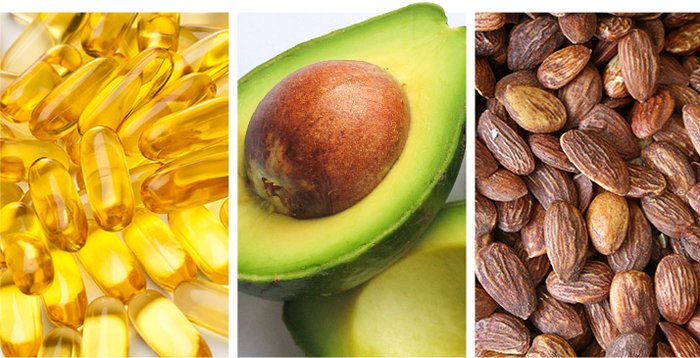
Beausoleil recommends a diet rich in healthy fats from fish, fish oil, nuts, avocados, and olive oil, coupled with fibrous vegetables, low-glycemic fruits such as berries, and, of course, ample protein.

6. Decrease Calories Slowly

Going from 2,500 daily calories down to 1,500 in one fell swoop can leave you feeling hungry, deprived, and frustrated. It's much better to cut back slowly. "I suggest starting with a 200-calorie decrease [from what you're eating currently] and then slowly increasing activity and intensity levels," says fitness model James Pulido.

Decreasing your calories slowly will help ensure that you see ongoing results. If you drop your calorie intake too quickly at the start of your journey, you'll have nowhere to go from there.

Beginning with the minimum effective dose of dropping calories and adding cardio ensures that you'll be able to progress for the long haul.

7. Stay Hydrated

"Staying hydrated is crucial to the fat-loss process," says model Jimmy Everett, "so make sure you drink enough water."

Hydration can impact everything from your metabolic rate to your energy levels. Too many people walk around all day in a partially dehydrated state, causing them to feel fatigued when they shouldn't be and eat when they really just need a drink.

How do you know when you're properly hydrated? The simplest way is to look at the color of your pee. Your goal should be to get your pee the color of lemonade—if it's looking more like apple juice, then you need to increase your fluid intake.

If you take a multivitamin, you may notice that the color of your urine is a neon yellow (due to excess riboflavin), so keeping track of how often you make a trip to the bathroom (aim for a trip every couple of hours) might be a better option for you.[5]

Don't try to hydrate with energy drinks and coffee. If you don't like regular water, flavor it with some BCAAs or lemon slices.

Text and images courtesy of www.bodybuilding.com


Monday, August 2, 2021


The Real Reasons You Aren't Building Bigger Ab Muscles

Gunning for a six-pack? Building your abs can help make it happen sooner and last longer. But only if you train your core with smart techniques! Here are mistakes to avoid and how to fix them.


Laurence Grigorov is director of a residential property development company based in Johannesburg, South Africa that specialises in modern, luxury apartments, cluster units and bespoke homes.

Laurence Grigorov enjoys training at the gym in his spare time. This allows him to both destress and maintain a healthy physical condition. Laurence Grigorov firmly believes that a healthy body and well-rested mind are crucial in order to maintain a high level of work focus.

If you looked at this headline and asked, "Why would I want to grow my abs?" then we may have just discovered one reason that your stomach isn't quite as defined as you want.

For one, building the muscles of your abs helps them to be more visible at higher body-fat levels. Just ask those offseason bodybuilders with visible abs at 13-15 percent body fat! And when you do get down under 10 percent, those bricks you've built will really pop.

But like building the rest of your body, there's a lot that can go wrong between "dreaming about it" and "seeing it in the mirror." Here are some mistakes that might be holding back your midsection muscles and how to fix them.

Mistake 1: Only Focusing On One Ab Muscle

That forward-facing six-pack may be what you covet, but building truly defined abs demands a three-dimensional approach from all angles—and even from the inside.


Your abs are composed of three separate muscle groups: 

  • Rectus abdominis (the "six pack" muscles): Trained by crunching-style motions
  • Obliques (internal and external): Trained by rotation and bending to the side
  • Transverse abdominus (TVA): Trained by isometric work (planks) and stomach vacuums

A Better Way: Train all three groups with the best muscle-building ab exercises! The TVA is the most often neglected, even though it can help you keep a tighter, flatter stomach at any body-fat level.

Mistake 2: Not Adding Resistance

The abs contain a greater percentage of what are known as slow-twitch muscle fibers than other skeletal muscle groups. However, fast-twitch fibers still make up almost half of your midsection musculature.

Not sure what that means? Here's what you need to know: Fast-twitch muscle fibers have a greater potential for muscle growth and they are built with heavier sets for low to moderate reps. In other words, training nothing but high-rep bodyweight movements isn't going to do much for them!

A Better Way: Perform some of your training with heavy sets of 8-12 reps on weighted movements to help build up the "bricks" constituting your six-pack.

Mistake 3: Always Doing The Same Routine

Falling into a comfort zone is your enemy when training abs—or any other body part.

If your ab routine consistently includes machine crunches for 3 sets of 20 reps, and you seem to be doing the same work every ab-training session, it's time to up the ante and intentionally make your training harder. This "progressive overload" can come in the form of weight, less rest, or higher volume, but always strive to improve on what you did before.

A Better Way: Continually increase the stress to continue making gains. That's the progressive part of progressive overload. This is where following a structured ab program like 30-Day Abs with Abel Albonetti can be a game-changer.

Mistake 4: Keeping Your Back Straight

Maintaining a flat back is an essential safety cue for bent-over rows, deadlifts, squats, and other compound lifts. But when training abs on moves like cable crunches, you need to unlearn this lesson!

Here's why: Arching your lower back makes you bend at the hips, not the waist. Only when you bend your lower back forward or "flex" it are you able to fully contract the rectus abdominis, causing it to shorten.

A Better Way: Think of your spine curling in a controlled manner on the concentric (raising) motion, and then uncurling on the eccentric (lowering). Both motions are important to building muscle.

Mistake 5: Resting Between Reps

This is a tempting form of rep-cheating can look one of two ways:  

  • With cables or machines, allowing the plates to "touch down" between reps
  • With bodyweight movements like decline sit-ups, allowing your shoulder blades to touch down between reps

In either case, it takes the tension right off the muscle you're trying to work.

A Better Way: Stay tight and don't let yourself rest until the set is over! The more you keep the muscle working, the greater the time under tension and the greater the muscle growth.

Eating to build muscle in your abs—or anywhere else? Protein is your friend. Aim for 1 gram per pound of body weight each day to support your tough workouts.

Mistake 6: Rushing Through Reps

Many people's ab workouts—timed circuits in particular—are fast and furious, aiming to perform as many reps as possible as quickly as possible. This approach encourages sloppiness and momentum, which often means that muscles other than the abs end up doing the work.

A Better Way: Switch your focus from quantity of reps to quality of reps. Hold the top (peak contraction) for a count on each rep. You may end up doing fewer reps in the end, but you'll make the muscle work harder, which is really what you want to be doing.

Mistake 7: Over-Relying On Hip Flexors

Many people think they're doing a lower-ab movement when they do leg raises, but they're actually doing much more work with the hip flexors.

How do you know the difference? Hang from a pull-up bar and keep your body straight. Now raise your legs about 60 degrees. Notice how your lower back is still flat—it hasn't started to round. That means your abs aren't yet engaged; it's all hip flexors to this point because they're responsible for raising your legs.

A Better Way: Raise your legs to the point where your lower back curls. If you can't do that, perform an easier variation like knee raises on parallel bars, or even reverse crunches on the ground.

Mistake 8: Pulling On Your Neck

This can also look different for weighted and unweighted moves. It could be pulling down toward the ground during a cable crunch or pulling up with your hands during bodyweight exercises. In either case, it does nothing to work your abs and serves only to place your neck in a vulnerable position.

A Better Way: Imagine there's a small orange between your chin and your sternum. Be careful not to squeeze that imaginary orange, and you'll find you are better able to work the abs without tweaking your neck.

Text & Image courtesy of www.bodybuilding.com