Showing posts with label bodybuilding. Show all posts

Thursday, February 15, 2024


How to Prepare for a Morning Workout the Night Before

Can fasting improve your morning exercise?


Laurence Grigorov is director of a residential property development company based in Johannesburg, South Africa. The company specialises in modern, luxury apartments, cluster units and bespoke homes.

Laurence Grigorov believes that nutrition and exercise are vitally important to lead a healthy and well-balanced life. This allows Laurence Grigorov to be fully focused when working on his current projects. 

Sometimes, getting to the gym is hard enough. For others it’s made even more difficult because they’re up before the sun. Some people prefer a morning workout because of their busy lives or their energy levels. For those people, or anyone who wants to join the club, there are ways to improve exercise performance the night before based on proper nutrition.

Why Morning Training?

Training on an empty stomach, or fasted training, can make for great performances. This will enhance functionality through a metabolic switch to cellular neural networks. As an effect, plasticity improves on a neurological and synaptic (nerve) level. The heightened focus will lead to a resistance to stress. This morning alertness will turn on the “fight or flight” mindset. Our ancestors experienced similar effects when they hunted for their food in the morning. In a way, breakfast can be the reward for a morning workout.

This style can also lead to enhanced weight loss. Fasting turns off mTOR, or the protection of protein synthesis, and activates autophagy, the recycling of dead tissue cells. The body will rid itself of dead weight, be it dead cells or pre-stored glycogen (fat). While the body is in this mode of repair, it can still protect the body without food.

The Night Before

It should go without saying that the best preparation is through rest and proper nutrition. Carbohydrates have been proven to activate melatonin and enhance quality of sleep. If carbs are eaten the night before a morning workout, they will remain stored in the liver and muscles for energy. Glycogen depletion could inhibit performance via muscle fatigue, therefore it’s best to stay sufficiently supplied.


Fats, on the other hand, can be detrimental to performance at higher intensities. It’s important to limit saturated fats since they can impair muscular output. However, omega-3’s have shown a positive impact on endurance capacity and gut microbiome health through bile acids. Foods rich in omega-3’s include fatty fish, eggs, and seeds. Foods containing high contents of saturated fats include red meat and full-fat dairy.

The optimal strategy is carbohydrate loading. This will maximize glycogen storage. The choice of carbs are important too. Simple carbs are easily digestible, reduce fatigue, and support hydration. Fiber is important for digestive health, but be wary. Too much fiber can cause gastrointestinal issues, while not enough can be harmful to the gut microbiome. A proper balance between fibrous carbs and simple carbs should be considered. While fast carbs can replenish glycogen storage, fibrous carbs can keep appetite satiated.

Probiotics can also be helpful on a mental level. They can manage proper cognition, gut health, and personal mood. They can be ingested the night before a morning workout, but they are most useful in the recovery process. Yogurt, a popular choice, contains probiotics and protein that support recovery and protein synthesis.

It’s also recommended to avoid a high intake in sugar and alcohol. High sugar intakes can lead to high sugar crashes. As for alcohol, it can dehydrate the body, disrupt sleep, and impair cognition. Working out hungover is also a dangerous idea.

After adequate nutrition, the hours leading up to the workout also matter.

The Morning Of

The key to a morning workout is supporting hydration. Hydration intake affects gut function, energy levels, and cognition. Exercising in a dehydrated state can impair performance. Carbohydrates are valuable the night before because they support hydration, causing the body to hold onto water.

In order to further prevent dehydration, electrolytes can assist in water intake. These come in supplement form and can be found in lemon juice. Mixing these with a morning cup of water can help the body wake up better than caffeine. During a workout, it can reduce excess sweat and improve cognition. After getting in some water, caffeine is a helpful addition to the morning routine.

Caffeine is a popular choice for the morning. It improves focus and reduces fatigue. It can be a valuable supplement, but it should not be chosen over water. Both caffeine and water go hand in hand. Their combination, alongside the optional electrolytes, can prepare the body and mind for the best possible performance. There are a variety of forms of caffeine, such as coffee, tea, and pre-workout. If a fasted workout is the goal, they should be made plain. Sugar, milk, and oils can break the fast. Even if they are fast-digesting, the spikes in energy will lead to an eventual crash. 

Going Forward

To sum it up, a balance of fast and slow carbohydrates and an inclusion of omega-3’s can optimize the health of an athlete the night before a morning workout. Meanwhile, a reduction of saturated fats, sugar, and alcohol can be a factor to the following morning’s energy levels. So store up that muscle glycogen and sleep well, cause those weights aren’t going to lift themselves.

Text and image courtesy of www.bodybuilding.com


Monday, October 23, 2023

Overtraining Versus Overreaching

 What exactly is overtraining? How is it different from overreaching? Learn how to tell the difference between the two and what you can do to prevent both.


As director of a leading real estate development company based in Johannesburg, Laurence Grigorov is involved in all aspects of the development process of these complex projects. 

In order to relax and unwind, Laurence Grigorov enjoys exercising and in particular training at the gym. This is important for a healthy work-life balance.

People casually toss around the term "overtraining." Some think they are constantly in an overtrained state, blaming their lack of progress on their self-diagnosed condition.  

Others miss no opportunity to tell everyone that "overtraining is a myth," and that if you train and recover "hard enough," you can bust through any plateau.  

Which position is accurate? Let's start by defining some key terms.  

Overtraining Vs. Overreaching

True "overtraining" is a severe medical condition, defined by multiple complex symptoms lasting for months or even years that can even end athletic careers. Symptoms of serious overtraining include increased resting heart rate and blood pressure, unexplained weight loss, altered fluid balance (dehydration, lack of perspiration), altered sleeping patterns, and psychological effects (mood swings, malaise, lack of psychological readiness for training and/or competition).

When people think they are overtraining, they often don't realize how bad overtraining actually is, and don't consider whether it is actually possible to overtrain from lifting.

"Overreaching," on the other hand, is very common. It is a temporary response to heavy or intense training, and it's even built into many training programs. This type of overreaching, known as functional overreaching, causes a short-term increase in fatigue and reduction in performance, followed by a brief taper that actually increases performance on testing, competition, or meet day.

This type of overreaching is a necessary part of being an athlete and optimizing performance. You can keep functional overreaching in your back pocket for when you need it to get that extra boost in performance for competition.

Nonfunctional overreaching is a more chronic, long-term condition that can last weeks or even months, although full recovery can be achieved with some rest. There might be some persistent physiologic and mood-related changes and accompanying performance reduction. This type of overreaching can interfere with long-term progress—spending weeks or months in a slump is an inefficient use of training time. If we catch it early and make adjustments, we can put the train back on the rails without much trouble before serious problems come up.  

If either of these types of overreaching are left unaddressed, they can morph into overtraining.

Can You Overtrain By Lifting?

While overreaching and overtraining have been abundantly studied in endurance athletes, it has yet to be seriously investigated in the context of strength training. True overtraining is highly unlikely (if even possible) for strength athletes and is characterized by significant persistent symptoms, made worse by outside life stressors.

So, if you are feeling run-down but you're not about to peak for a competition, you might be in a non-functional overreaching state. A deload period will help you get back on track.

If you feel like your progress has stalled, I suggest following the algorithm from "The Muscle & Strength Pyramid" by Eric Helms to determine if it's time to adjust your training. His chart addresses multiple variables that are most likely contributing to your decrease in performance, including sleep quality, nutrition habits, training intensity, and physical and psychological stressors.  

Let's say your progress has stalled but you're sleeping 8-plus hours, eating enough protein, estimating RPE effectively, and training consistently with solid technique.  

Following Helms's decision framework, you should then ask yourself honestly if you truly dread going to the gym, you are sleeping worse than normal, your performance is getting worse despite the same or higher effort, life stressors are more severe than normal, and aches and pains are worse than normal. 

Two or more "Yes" answers means it's time to take a step back from training and allow yourself some extra time to recover. Reduce your volume by cutting back on sets and backing off on intensity as needed by using a subjective RPE scale.  

For example, your working sets during deload change from 5 sets of 5 reps at 83 percent 1RM to 3 sets of 5 reps at RPE 8-9, giving you fewer sets and more flexibility with intensity depending on physical and psychological readiness that day.

While overtraining is a real condition, it's highly unlikely you'll get there through resistance training alone. If you are experiencing a decrease in performance, the more likely cause is non-functional overreaching. Take the necessary steps to reduce your intensity and volume, and allow your body more time to rest and recover.

Image and Text courtesy of www.bodybuilding.com

Wednesday, August 16, 2023


7 Nutrition Tips For A Successful Transformation

Don't let your diet ruin your transformation goals. Follow these 7 tips from successful BodySpace athletes and build a rock-solid nutrition program!

As director of a leading Johannesburg based residential property development company, Laurence Grigorov enjoys various hobbies including going to the gym regularly to exercise as well as following a healthy but sustainable diet.

Laurence Grigorov firmly believes that a healthy work-life balance should include regular exercise which not only is good for your health but also for your mind and often follows top health and training sites to keep up to date with the latest news and tips.

An article written by Shannon Clark on Bodybuilding.com was of interest to Laurence Grigorov:

If you want to transform, you can't rely on your workouts alone to get the job done. Losing fat or building muscle takes a lot of hard work in the kitchen, too! Without a solid grasp of nutrition, you won't get the results you're training so hard for. If you want to make 2015 your best year yet, you need to go in with a failproof nutrition game plan.

Our BodySpace MuscleTech athletes are here to help! They know exactly what it takes to make the most of your nutrition so you can transform successfully. Implement their tips into your diet plan so you can efficiently burn fat and build muscle.

1. Adjust Calories On Non-Training Days

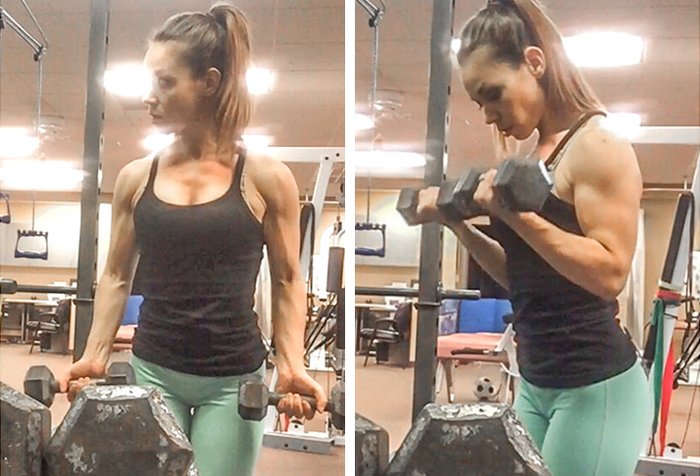
Many transformation hopefuls make the mistake of eating the same amount of calories on training days as they do on non-training days. "People don't fuel properly during their transformation process," says athlete and fitness model Tricia Ashley. "On training days, you need extra fuel to train and help your body repair."

7 Nutrition Tips For A Successful Transformation

On training days, you need extra fuel to train and help your body repair.

Ashley recommends lowering your calories on non-training days and increasing them on training days. Her personal calorie count is 2,000 calories on rest days and 2,500 calories on working days.

Adjust your calories according to your weight, gender, goals, and workout intensity, but rather than wildly varying your calorie intake by the thousands, use Ashley's 500-calorie swing as a guide. You can source many of these calories from protein and extra carbohydrates, which will help fuel peak performance on your training days.

2. Listen To Your Body

You might think that eating healthy is black and white: You stick to a list of diet-approved foods and never stray. However, it's important to personalize your nutrition plan. "Don't neglect to account for how your body responds to different foods," says fitness model Jimmy Everett.

A particular food might be healthy, but it may not make you feel very good. If your body doesn't react well to something, don't include it in your diet plan. If you do cut something out, replace it with a different healthy option.

Don't force yourself to eat foods you hate or react poorly to simply because your plan calls for them.

3. Don't Be Too Restrictive

There's no question that, to lose body fat, you need to make better choices in the kitchen. Not-so-healthy foods that may have filled your plate before will most likely be omitted in your new plan. Don't, however, eliminate everything you love to eat at the onset of your journey.

"Focus on eating healthy foods as much as possible, but don't view any food as 'off limits,'" says personal trainer Lindsay Cappotelli. If you restrict yourself to only eating a few foods over and over, you'll go crazy, and your plan won't be sustainable.

"Know that if you make healthy choices for most of your carbohydrate, protein, and fat servings, there's room for a treat here and there. Balance is key," Cappotelli adds.

4. Power Up With Protein

A 2005 study in "The American Journal of Clinical Nutrition" found that when healthy adults increased their protein intake from 15 percent to 30 percent, feelings of satiety were significantly increased, while caloric intake and fat mass decreased.[1]

7 Nutrition Tips For A Successful Transformation


Consuming 20-30 grams of high quality protein at each meal can also help increase rates of protein synthesis and boost muscular growth.[2] In other words, protein is king! So, if you started your transformation and haven't increased your protein intake yet, now is the time.

Eating more protein doesn't necessarily mean you have to feast on meat every meal though. "Vegetarians can get their protein from lentils, beans, tempeh, and soy," says fitness competitor Danielle Beausoleil. "It's also important to keep in mind that the quality of your food impacts your body. The better the foods you put in, the better you'll feel."

5. Don't Fear Fat

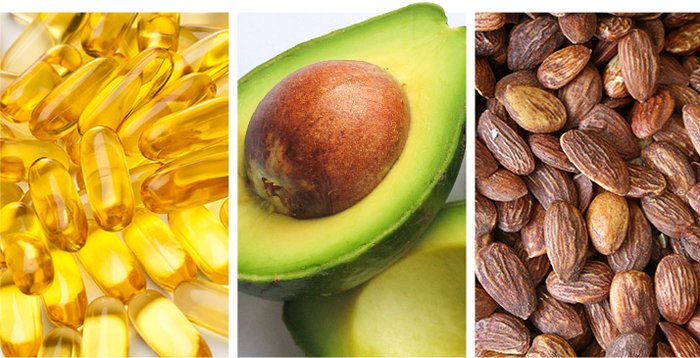
Some people avoid dietary fat completely because they think it doesn't belong in a fat-burning diet. The truth is, however, that your body needs dietary fat to burn fat. "Studies have shown that eating nutrient-rich healthy fats such as omega-3 fatty acids can actually assist in fat-burning," says Beausoleil.

One such study suggested that six weeks of fish oil supplementation actually increased lean mass and decreased fat mass in healthy men and women.[3]

7 Nutrition Tips For A Successful Transformation

Studies have shown that eating nutrient-rich healthy fats such as omega-3 fatty acids can actually assist in fat-burning," says Beausoleil.

"Healthy fats also help to decrease the level of cortisol in the body, helping control stress levels," Beausoleil adds. Additionally, combining fish oil with exercise has been shown to not only reduce body fat, but also improve cardiovascular and metabolic health.[4]

Beausoleil recommends a diet rich in healthy fats from fish, fish oil, nuts, avocados, and olive oil, coupled with fibrous vegetables, low-glycemic fruits such as berries, and, of course, ample protein.

6. Decrease Calories Slowly

Going from 2,500 daily calories down to 1,500 in one fell swoop can leave you feeling hungry, deprived, and frustrated. It's much better to cut back slowly. "I suggest starting with a 200-calorie decrease [from what you're eating currently] and then slowly increasing activity and intensity levels," says fitness model James Pulido.

Decreasing your calories slowly will help ensure that you see ongoing results. If you drop your calorie intake too quickly at the start of your journey, you'll have nowhere to go from there.

Beginning with the minimum effective dose of dropping calories and adding cardio ensures that you'll be able to progress for the long haul.

7. Stay Hydrated

"Staying hydrated is crucial to the fat-loss process," says model Jimmy Everett, "so make sure you drink enough water."

Hydration can impact everything from your metabolic rate to your energy levels. Too many people walk around all day in a partially dehydrated state, causing them to feel fatigued when they shouldn't be and eat when they really just need a drink.

How do you know when you're properly hydrated? The simplest way is to look at the color of your pee. Your goal should be to get your pee the color of lemonade—if it's looking more like apple juice, then you need to increase your fluid intake.

If you take a multivitamin, you may notice that the color of your urine is a neon yellow (due to excess riboflavin), so keeping track of how often you make a trip to the bathroom (aim for a trip every couple of hours) might be a better option for you.[5]

Don't try to hydrate with energy drinks and coffee. If you don't like regular water, flavor it with some BCAAs or lemon slices.

Text and images courtesy of www.bodybuilding.com


Thursday, January 16, 2020

Key Points for Using Supplements


Laurence Grigorov is director of a residential property development company based in Johannesburg, South Africa. The company specialises in modern, luxury apartments, cluster units and bespoke homes.

Laurence Grigorov believes that nutrition and exercise are vitally important to lead a healthy and well-balanced life. This allows Laurence Grigorov to be fully focused when working on his current projects.

A recent article on supplements proved to be both useful and interesting:

If you are in the health and fitness industry, or just look like you're relatively healthy and fit, you've probably been asked "What supplement should I take to [fill in the goal]?"

There are just too many confused people, wanting to believe the answer lies just one pill or powder away. And there are just as many bad shepherds feeding that misbelief, too. Let's fix that!

In one way or another, I've walked countless thousands of people through what you're about to read. This is my "keep it simple and smart" approach to effective supplementation. I'll give you six steps to help you get the most out of whatever supplements you do choose to take, and then my six recommendations for a supplement starter set.


Add One Step And One Supp At A Time

You'll never know what supplements do or don't work for you if your approach is haphazard. Instead, when you decide to introduce new supplements into your regimen, do it by an addition of one.

Specifically, only add one new supplement to your diet at any one time. Take that supplement for a minimum of 6-9 weeks—and do it according to the label or an expert-driven article like this one—before you decide if it's provided the benefits you sought. If not, discontinue using it.

If it has helped, great. Keep using it until you notice your gains peaking. Then, you can add another one following the same process.

Getting healthy and building your body is a long-term project. Respect it as one, and you'll have a better chance of getting where you want to be without wasting tons of time and money along the way.


Step 1: Take Legitimate Inventory Of Your Current Diet, Training, Lifestyle, And Health

Sorry, supplements shouldn’t be your first point of action if:

You’ve been sedentary

You don’t train or haven’t mastered the basics of programming like progressive overload and undulating intensity

You have a poor diet

You have a pre-existing medical condition

Instead, it’s time to get the basics in order first. What are you doing, and how do you feel? Have you been avoiding the doctor for years or neglecting a major part of your self-care? Have you not trained in years, but are considering taking a pre-workout? You'd better believe these things can affect the effectiveness of a supplement.


Step 2: Set Realistic, But Proactive Major And Weekly Goals

Any supplement worth taking—including the basics like protein and a multivitamin—should only be an addition to realistic, progressive training and a well-planned nutrition program.

What do you want to do, and how do you want to feel? This doesn't have to mean "I want to lose this many pounds"—although I know for many it inevitably will. It can be getting stronger, improving at a sport, doing a certain number of workouts a week, or even just finishing a solid workout program. These goals should inform what you eat, how you train, and what supplements get your hard-earned dollars.

If you think any supplement will allow you to reduce effort in the gym or adhering to a solid eating plan, then you’re setting yourself up to be sorely disappointed in your supplements.


Step 3: Eat And Train Intelligently For Your Goals

You don't have to hire a world-class trainer. Just don't be a complete embarrassment! For example, if you're trying to add an inch to your biceps and chase a triple-bodyweight deadlift while eating in an 800-calorie caloric deficit and are getting black-out blitzed three days a week… no supplement will help you. Watch the Bodybuilding.com Foundations of Fitness Nutrition course. Eat lots of protein and veggies. Don't let bad habits dominate. Train consistently and progressively.


Step 4: Recharge Well And Keep Life’s Stress Under Control

No supplement out there will do as much for your performance—and health—as getting adequate rest, keeping mental stress in context, and limiting your exposure to people who are toxic to you and sabotage your ability to reach your goals. If your friend's idea of a healthy night out is downing a 12-pack and ending the evening pointing blearily at food items on a Denny's menu at 3 a.m., hey, good for them. But if you match them night after night and then try to compensate by slamming a pre and some creatine before hitting the gym the next day, you're only fooling yourself.


Step 5: Rid Your Environment Of Harmful Pollutants That You Can Control

If you think chemical pesticides and weed killers are the perfumes of healthy living; if you believe all things should be stain-resistant and a home or office space isn't hitting on all senses unless intoxicating inhabitants with plug-ins and aerosol deodorants; if you lather on sun block every day like you're putting on baby oil to wrestle Blue in Old School… sorry. Your life may smell like a scented candle, but your body is left battling off so many physiological attacks from these common and easily avoidable chemicals. Over time, this can significantly and negatively affect hormones, neurohormones, your health, and yes, the effectiveness of your supplements.


Step 6: Get Your Mind Right

Stay committed, positive, and know that getting in your best shape isn't a cakewalk. Everything worth earning is earned incrementally. Immediate results can leave you as quickly as they find you!

I know it's a lot to take in. But there's an overriding theme here, and it's this: Supplements aren't magic. They won't make an unhealthy lifestyle healthy, but they can make a healthy lifestyle healthier!


Words & image courtesy of http://www.bodybuilding.com/


Thursday, November 28, 2019

7 Ways To Make Your Fat Burner More Effective


Laurence Grigorov is director of a residential property development company based in Johannesburg, South Africa that specialises in modern, luxury apartments, cluster units and bespoke homes.

Laurence Grigorov enjoys training at the gym in his spare time. This allows him to both destress and maintain a healthy physical condition. Laurence Grigorov firmly believes that a healthy body and well-rested mind are crucial in order to maintain a high level of work focus and to deal with the intense

If you're taking a fat burner but still not seeing the weight loss you want, it's time to troubleshoot. While these supplements can help you lose body fat, they won't work unless the rest of your lifestyle is on point. Get the most fat burning for your buck by following these seven steps!


1. Get On Track

You can't simply pop a pill and make up for poor nutrition and a lack of training. A high-quality fat burner will make your journey easier, but to get the most from its effects and really torch calories, it's critical that you first get on track with a well-designed fitness program. Find a solid workout plan and stick to it like it's your job.

Keeping your diet locked in is critical, too. Since fat burners are thermogenic, which raises calorie burn, sometimes people think they counteract the consequences of french fries, pizza, or ice cream. Unfortunately, it's not that easy. If you eat that donut at the office, you'll still have to get to the gym to work it off. The pills just help you get more out of that work.

Set yourself up for success by removing temptation from your life. A fat burning supplement can help you control cravings and feelings of imaginary hunger, but if you constantly expose yourself to your cravings, you're never going to win.


2. Eat Enough Protein

To make sure that you see the most fat loss possible, make sure that you're also taking in enough protein to maintain lean muscle mass.


Many of the fat burners on the market will reduce your appetite. If they cause you to lower your calorie intake and you don't get sufficient protein, loss of muscle mass could begin to occur. You simply should not take your protein intake any lower than 1 gram per pound of body weigh when aiming for fat loss. So, while you can cut back on carbs and fats, you have to eat your protein regardless.

Taking in as few calories as humanly possible might help you maximize your weight loss, but not all that weight will be body fat. To look ripped but still strong, you have to keep a high protein intake to spare those physique-forming muscles.


3. Timing Your Dose Right

Since fat burners can give you energy and suppress your appetite, taking them at strategic times of day will help you get the most from them. To raise your energy and kick fat burning into gear, take a stimulant fat burner at the time of day you most need a kick in the pants. This might be first thing upon waking, or about 30 minutes before training, as you would take a pre-workout. To take advantage of the appetite-suppressing properties of your fat burner, take it at your hungriest point during the day when you tend to struggle. One strategy is to take it 30 minutes prior to a meal so you feel more satiated.

Alternately, take one of your doses when you don't have a meal planned for a few hours to help carry you through. When it wears off and you start getting hungry, you'll know your next meal is coming soon and you'll be more likely to hold out.


4. Drink Up

Fat burning pills elevate your metabolism, so as a side effect you sweat more when taking them. Also, stimulants like caffeine tend to have a diuretic effect, so you may find yourself visiting the bathroom more often. These conditions can lead to a state of dehydration and slowed metabolism.

Drinking at least 3-4 quarts of cold water per day will not only keep you hydrated, but has also been shown to increase metabolism and support fat loss. It's recommended that you drink at least 1 cup of water with each dose of a fat burning supplement to ensure optimal absorption and hydration support. If you're training in a hot environment and sweating for long periods, you may need to double your water intake.


5. Cycle Your Fat Burner

The body becomes desensitized to some ingredients over time, and this is exactly what happens with fat burning supplements. In response, many people will up their intake to keep getting weight-loss results. But this approach will backfire. Overuse of caffeine and similar ingredients can lead to high levels of cortisol (that unwanted hormone that breaks down muscle and causes fat storage), especially under the stress of dieting. Adding to this side effect, your body can respond by slowing down your natural metabolic process to compensate. So now you're burning fewer calories, which totally defeats the purpose of taking a weight-loss supplement.

To avoid these counterproductive side effects, you should cycle this supplement. Take it for 2-4 weeks and then take two weeks off before starting again. Your body will reset and be more sensitive, so you'll get better results when you resume taking it. The best way to know if you need a break from your fat burner is by assessing how you feel when you're on it. If after several weeks you find that you no longer get the "kick" you used to from a regular dose, or you're noticing the above side effects, then it's time to take a break—not more product.


Keep in mind, weight-loss supplements were never designed or intended to be a regular part of a diet. They're intended to help you reach a goal, whether that be to prepare for a competition, jump-start your weight-loss efforts, or break through a plateau. Once your weight-loss goal is attained, lifestyle is the only way to keep it maintained. If you feel you can only maintain your physique with the aid of a fat burning supplement, take a step back, reassess, and choose a more sustainable goal.


6. Don't Shrug Off Sleep

Sleep and fat loss go hand in hand. Some people turn to fat burners to get the energy to work out because they're constantly in a state of sleep deprivation. Unfortunately, this approach can lead to increases in blood cortisol and decreased testosterone, which will significantly hold you back in terms of muscle gain and fat loss.

Sleep is necessary for repair, recovery, and hormonal balance. Shoot for eight hours of deep sleep nightly, but if you have a heavy training load or are stressed out you might need more.

If you find that your fat burners are hindering your sleep, don't take anything stimulant based after your lunchtime dose, or switch to stimulant-free products entirely for a while. Also limit any other sources of caffeine to before 6 p.m., like coffee, soda, or pre-workout supplements.


7. Choose The Right Formula

None of these tips will matter if you're not taking the right kind of fat burner for your needs and goals. Different fat burners serve different purposes. For example, if you're primarily looking for hunger control, 

select a fat burner that contains hoodia as one of the ingredients. Hoodia is one of the most common supplements used to support appetite control. If it's energy you're after, you'll want to choose a fat burner that has ingredients like caffeine, synephrine, or yohimbe. These are stimulants that are intended to give you a boost of energy to carry you through the day.

A key word for this group of fat burners is "thermogenic," which literally means "heat producing" and refers to the fact that your core body temperature might rise, allowing you to possibly burn more calories throughout the day and use stored fat as fuel.

Fat burning products are generally categorized as stimulant or stimulant-free. Stimulant fat burners will have caffeine, synephrine, yohimbe, or other similar ingredients. Many of them also contain non-stimulant thermogenic and appetite controlling ingredients in the mix. Stimulant-free fat burners only have non-stimulant thermogenics and appetite suppressants. Their effects are more subtle, but they're a better choice if you're sensitive to caffeine or have high anxiety.

If you do choose to go stimulant-free, keep an eye out for green tea extract, which is in a gray area. While green tea is often included in stimulant-free formulas, it does contain small amounts of caffeine. This amount of green tea won't be noticeable for most people, but if you're extremely sensitive to caffeine you might feel it. Try a small amount first to see how you tolerate the green tea.

No two fat burners contain the same mix of ingredients. In addition to this, no two metabolisms are the same. Each person stores fat and burns it differently. Just because your friend got great results from a certain product doesn't mean you will. Keep trying different formulations until you find one your body likes.


Words & image courtesy of http://www.bodybuilding.com/


Tuesday, November 5, 2019

Healthy Nutrition on the Go


Laurence Grigorov is director at a leading residential property development company based in Johannesburg, South Africa. The company specialises in high-end luxury residential developments.

As an avid sports fan and someone who enjoys exercise, Laurence Grigorov visits the health club regularly to maintain both his physical health as well as enjoying the mental benefits form regular exercise. Laurence Grigorov believes that diet is an important aspect to physical health.

Sticking with your diet is easy—if all you do is stay home and cook your meals. The fact is, no one has that sort of lifestyle, and at times, you may be on the run all day. So, how do you keep from caving and grabbing something from the vending machine or a fast food joint when you're busy?

If your diet falls off the rails far too often because you're out and about, these tips are for you. There are plenty of great food options that are portable, don't need to be refrigerated, and will help you get and maintain an ideal body composition. You just have to find them.


Protein Bars

Protein bars are fast and easy, and you can eat them in all of 3 minutes. They've come a long way since the good old days, when they were hard and tasted like a piece of chalk combined with cardboard.

Today's protein bars could easily trick you into thinking they're actually candy bars, and they can be found in just about any macro combination you desire. Whether you're on a very-low-carb, high-fat diet plan or need something that's got more balanced nutrition, there is a protein bar out there for you. Plus, if you prefer to eat your calories rather than drink them, bars tend to be the better choice over protein powder.


Single-Serve Protein Powder Packets

Protein powder is the next option. It can be a perfect solution for anyone who's on the go and doesn't have time to sit down and eat. It doesn't matter where you are or what you have going on, you can use protein powder. Just shake and drink. Save money by portioning single servings of your preferred protein powder into small containers or re-sealable bags rather than buying ready-made single-serve packets.


Trail Mix

While commercially prepared trail mixes aren't always the best option as they can be loaded with sugar and additives, your homemade version is a different story. Make your own trail mix with some almonds, cashews, a few dried cranberries (or other fruit), and dark chocolate bits, as well as some whole-grain shredded wheat cereal.


Cereal And Protein Milk

Bet you never thought of cereal as a portable food, but it can be. Here's what to do.

In one container, put your choice of healthy cereal—bran flakes, oat bran, or another high-fiber, low-sugar option. In another container, put a scoop of your favorite vanilla protein powder or get a single-serve packet. Now all you need to do when you're ready to eat is mix the protein power with some water in a shaker cup and pour that over your cereal. It's quick and easy, and you'll get a great balance of carbs and protein.


Hummus And Veggies

While you can't let this one sit out for days without being in the fridge, it should easily go for a few hours without trouble. Hummus with veggies is a great on-the-go snack option for those who want to feel that they're eating wholesome foods. While protein bars and powders can give you great nutrition and meet your protein needs, they aren't whole foods. If whole foods are what you crave, this is an excellent option.

The vegetables will supply you with plenty of dietary fiber to keep you feeling full, combined with important antioxidants you need to feel your best. The hummus supplies complex carbohydrates combined with a little bit of protein to ensure your blood glucose stays stable. Together you have a winning combination.


Canned Tuna And Crackers

Finally, let's not forget the option of canned tuna and whole-grain crackers. Tuna is a fantastic source of high-quality protein and should never be overlooked. When you combine it with the crackers, you have a terrific protein-carb balance that will keep you energized all day long.


Need more fats? If you're on a muscle-building plan and want to boost your calorie and fat intake, no problem. Just opt for canned salmon instead. You can now find small tins of canned tuna and salmon that have pop-off lids, making them ideal for taking with you on the go.

So, don't let your busy schedule stop you from eating healthy. It really isn't an excuse. Plan ahead and be prepared. Then, get ready to watch your body transformation unfold before your eyes.


Words and image courtesy of http://www.bodybuilding.com/